Abstract
This project documents the ecological evolution of Lake Taihu from the 2007 Harmful Algal Blooms (HABs) crisis to the present. By analyzing MODIS satellite imagery (2007–2025), government-provided water quality data, and comparing management strategies with those applied to Lake Erie, I examine the spatiotemporal patterns of HABs in Lake Taihu, the policy mechanisms driving its recovery, and how digital tools can make environmental science more accessible to the public. It is both a research inquiry and a personal narrative—rooted in Suzhou, the city by Lake Taihu where I grew up.
About
This project originated from my internship experience at a research institute affiliated with the Chinese Academy of Sciences and environmental improvement experiments conducted in the laboratory at Beijing Normal University. While organizing data and co-authoring papers, I realized that rigorous scientific findings and governance data rarely reach the public—especially primary and secondary school students.
This website represents an extension of that effort: integrating publicly available water quality and management data, a comparative study I wrote on governance mechanisms for Taihu Lake and North America’s Lake Erie, and planning educational outreach for local schools and science museums. It aims to bridge scientific research, policy analysis, and public communication.
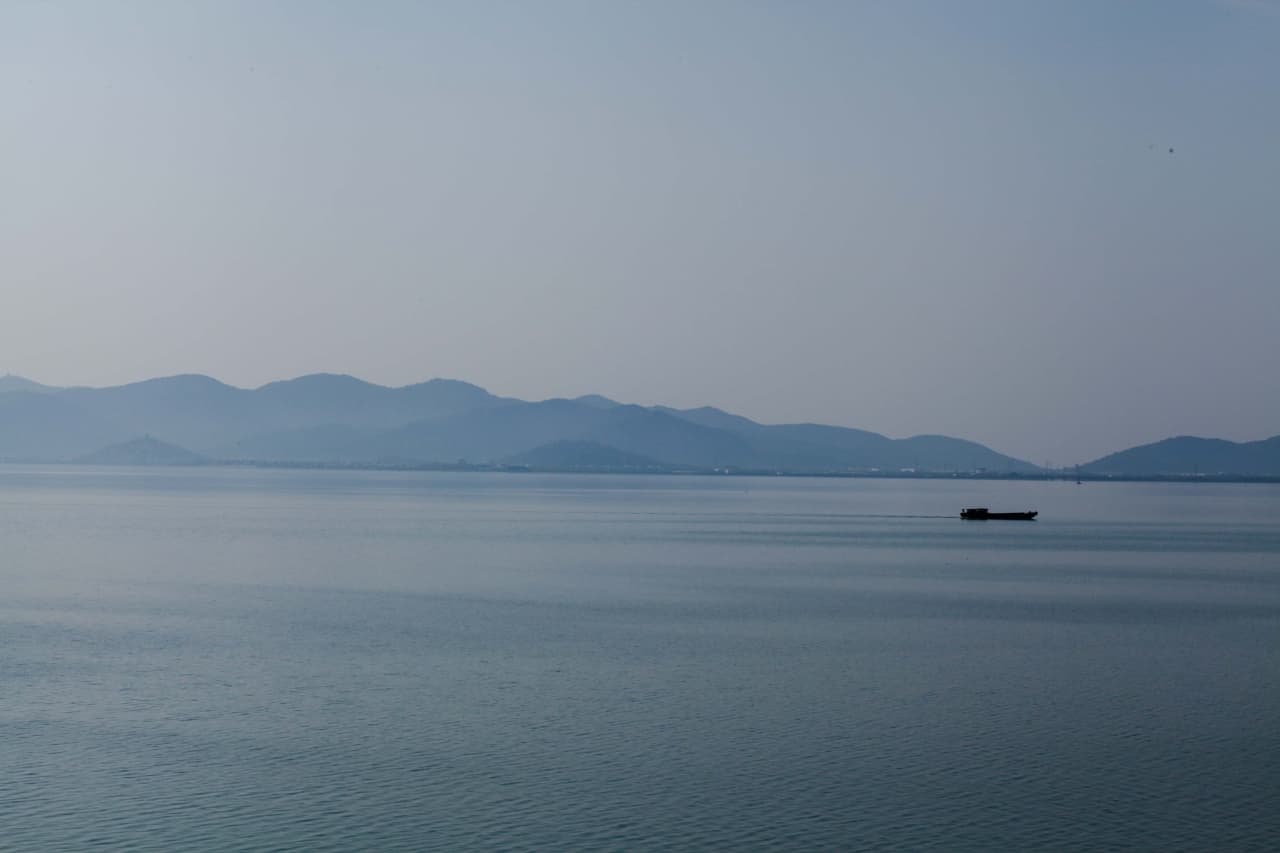
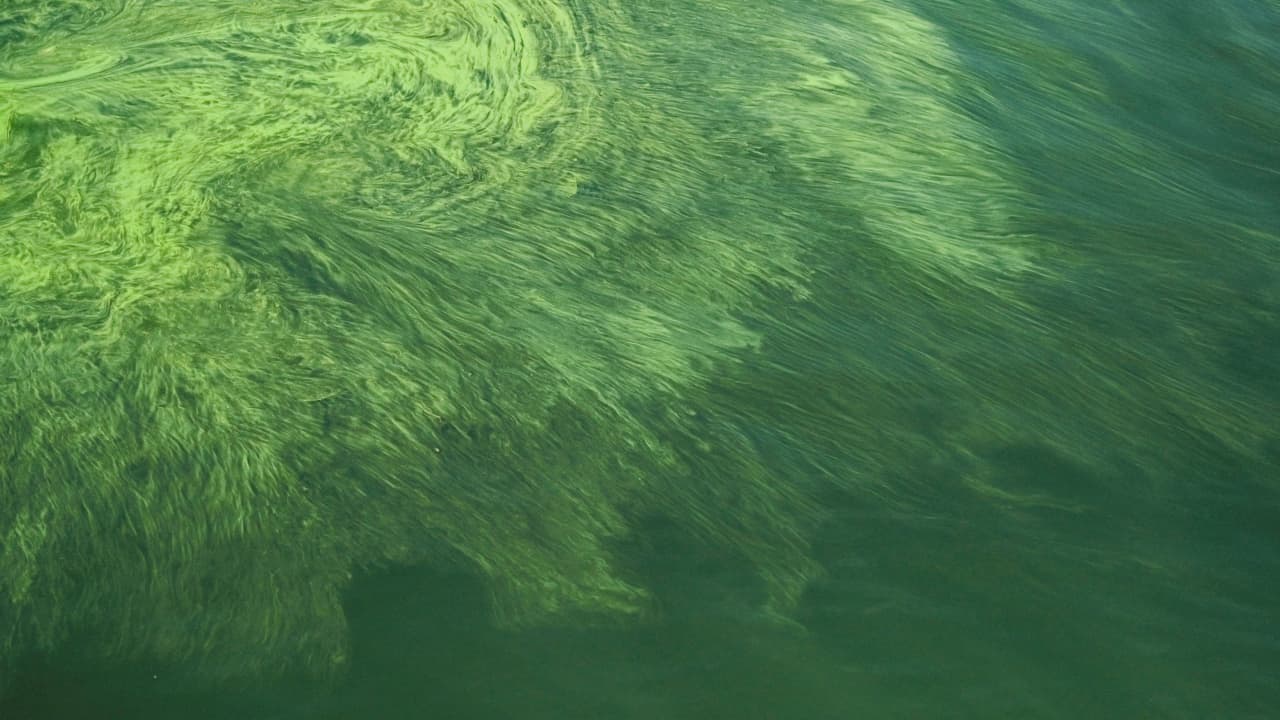
I grew up a twenty-minute walk from Lake Taihu. As a child, I never questioned the greenish water—I thought that was just what lakes looked like. But my grandmother often said, “When I was young, the water was so clear you could see the bottom.” One morning after a heavy rain, I saw a thick layer of green scum stretching across the surface like paint. A stranger told me not to touch it. “That’s poison,” he said. That moment stayed with me. I started paying attention—to the lake’s color, the wind, the algae. I started reading scientific papers to understand what I was seeing. That curiosity became this project.
Introduction
In May 2007, a massive outbreak of harmful algae occurred in Lake Taihu, contaminating the drinking water sources of millions of people. The tap water had a rotten egg smell, and bottled water in supermarkets was sold out within a few hours. This was not a natural disaster - it was the result of decades of industrial wastewater, agricultural runoff, and domestic sewage discharge.
By 1981, the total inorganic nitrogen in Lake Taihu had increased 18 times compared to 1960; by 1998, the total phosphorus had risen 2.7 times compared to 1988. Lake Taihu had been slowly poisoned for several decades, and 2007 was just the year when it could no longer hide its problems.
The Time Slider below shows the distribution of the HABs in Lake Taihu every May from 2007 to 2025 - May is the peak period of the bloom season. Clicking on the arrows allows you to compare the spatial changes of the bloom over the past two decades.
Based on MODIS satellite images, the average annual area of cyanobacterial blooms in Taihu Lake from 2007 to 2023 was 159 km², and the average area during the bloom season (May to September) was 223 km². The peak occurred in May and October. The western and southern coasts were higher than the eastern lake area (Pan et al., 2024).
The past two decades can be divided into four stages: there was a significant fluctuation before 2008, reaching the peak in 2007; relatively stable from 2009 to 2015; high fluctuations from 2016 to 2020, with the maximum single day reaching 1217 km² (accounting for 52% of the entire lake) in 2017; and a sharp decline from 2021 to 2025. The driving factors vary with the seasons, but the scientific evidence is clear: controlling nitrogen and phosphorus simultaneously is the fundamental way to reduce the risk of cyanobacterial blooms (Pan et al., 2024).

Recovery
Since the 2007 crisis, continuous investment and policy implementation have transformed the water quality of Lake Taihu. The following data, sourced from government monitoring and long-term scientific research, tell the story of this transformation.
By 2025, the water quality of Lake Taihu reached a historic milestone. Total phosphorus concentration dropped to 0.046 mg/L, an 8% decrease from the previous year. Total nitrogen fell to 0.99 mg/L, a 23.3% decrease. The Comprehensive Trophic State Index dropped to 50.8, a 1.8-point decrease. These figures make Lake Taihu the first among China’s three major treated lakes to stably reach Class III water quality for two consecutive years—exceeding the national target by one full grade.
Long-term monitoring by the Taihu Laboratory for Lake Ecosystem Research (TLLER) reveals the extent of this change. Over the past two decades, annual average total nitrogen concentration fell from 3.71 mg/L in 2006 to 1.56 mg/L in 2025—a decline of nearly 60%. Total phosphorus, while more variable, also dropped significantly: the 2021–2025 average of 0.089 mg/L was 26% lower than the 2005–2020 average of 0.120 mg/L (Zhu et al., 2026).
These improvements extend beyond the lake itself. All fifteen major inflow rivers now meet Class III standards, with fourteen reaching Class II for phosphorus. Across the basin, 203 of 206 key monitoring sections—98.5%—meet Class III standards. The lake has experienced no black bloom events for three consecutive years and has maintained safe summer conditions for eighteen straight years.
Yet the data also carry a warning. As Professor Guangwei Zhu and his colleagues from the Nanjing Institute of Geography and Limnology, Chinese Academy of Sciences, wrote in their 2026 assessment:
“From the perspective of ecological diversity, except for phytoplankton, the biodiversity of most aquatic organisms in Lake Taihu has not significantly increased; spatial heterogeneity has decreased, and submerged vegetation has severely degraded. The ecosystem structure of Lake Taihu remains highly fragile, with a persistent risk of large-scale cyanobacterial blooms” (Zhu et al., 2026).
Governance
The restoration of Taihu Lake was the result of institutional design, continuous investment, and adaptive management. Combining my comparative study of Lake Taihu and Lake Erie, as well as the long-term ecological monitoring of the Taihu Laboratory for Lake Ecosystem Research (TLLER), this section examines the mechanisms driving the changes. The governance framework is built on four pillars:
First, the river chief system establishes a vertical accountability mechanism: administrative heads at all levels are personally responsible for the water quality within their jurisdiction. This top-down accountability chain enables rapid implementation and wide coverage. In 2026 alone, 1,694 river and lake chiefs in Suzhou conducted over 38,000 river inspections and closed-looply resolved more than 2,100 water-related issues.
Second, systematic pollution control coordinates the pollution reduction from three major sources: industry, agriculture, and domestic life. In 2025, Jiangsu implemented 302 key Lake Taihu governance projects, with a total investment of 17.93 billion yuan. The urban domestic sewage treatment capacity reached 105.15 million tons per day, and the centralized collection rate exceeded 95%.
Third, cross-regional joint prevention and control incorporate Jiangsu, Shanghai, Zhejiang, and Anhui into a unified Taihu River Basin governance framework. In June 2026, the provincial Lake Taihu comprehensive governance work promotion meeting explicitly required “targeted measures, strengthened coordination, and enhanced collaboration” – marking a shift from fragmented efforts to systematic collaboration.
Fourth, scientific monitoring and adaptive management provide evidence for policy decisions. The Taihu Laboratory for Lake Ecosystem Research (TLLER) was established in 1986 and has provided nearly four decades of continuous ecological data. This long-term data set – tracking water quality, phytoplankton, zooplankton, benthic animals, and large aquatic plants – is crucial for problem diagnosis and policy effectiveness assessment.
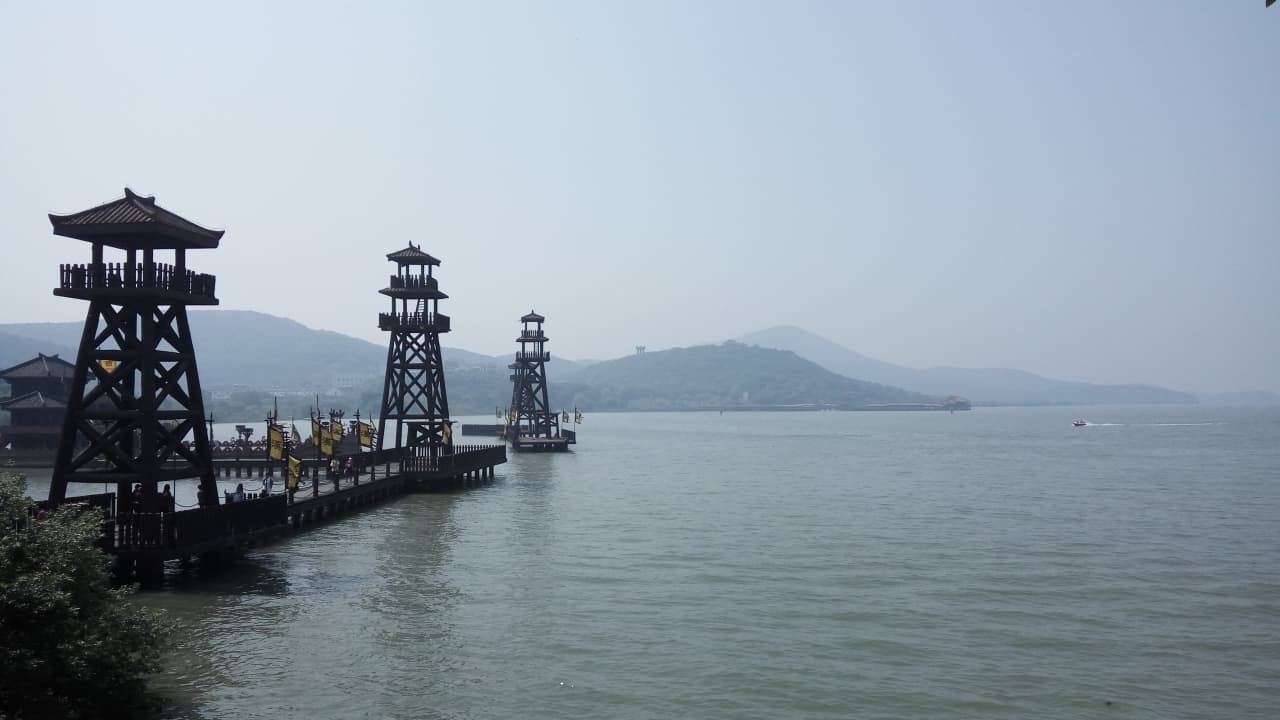
The comparative study of Lake Taihu and Lake Erie shows that the two lakes face similar ecological pressures but adopt different governance models. Taihu operates under a vertically integrated structure – central, provincial, and local governments coordinate and act in the same administrative level, with the river chief system as its core accountability mechanism. Lake Erie relies on a horizontally fragmented framework, involving federal, state, and local institutions, with the litigation-driven TMDL (Maximum Daily Load) plan as the main implementation tool. Taihu’s funds come from central and provincial finances, totaling over 300 billion yuan; Lake Erie’s funds come from the Great Lakes Restoration Initiative and state-level projects such as H2Ohio, totaling approximately 4 billion US dollars, but the allocation fluctuates significantly. Taihu’s policy implementation is rapid and widespread; Lake Erie moves slowly, but it incorporates more extensive stakeholder participation through independent consulting institutions.
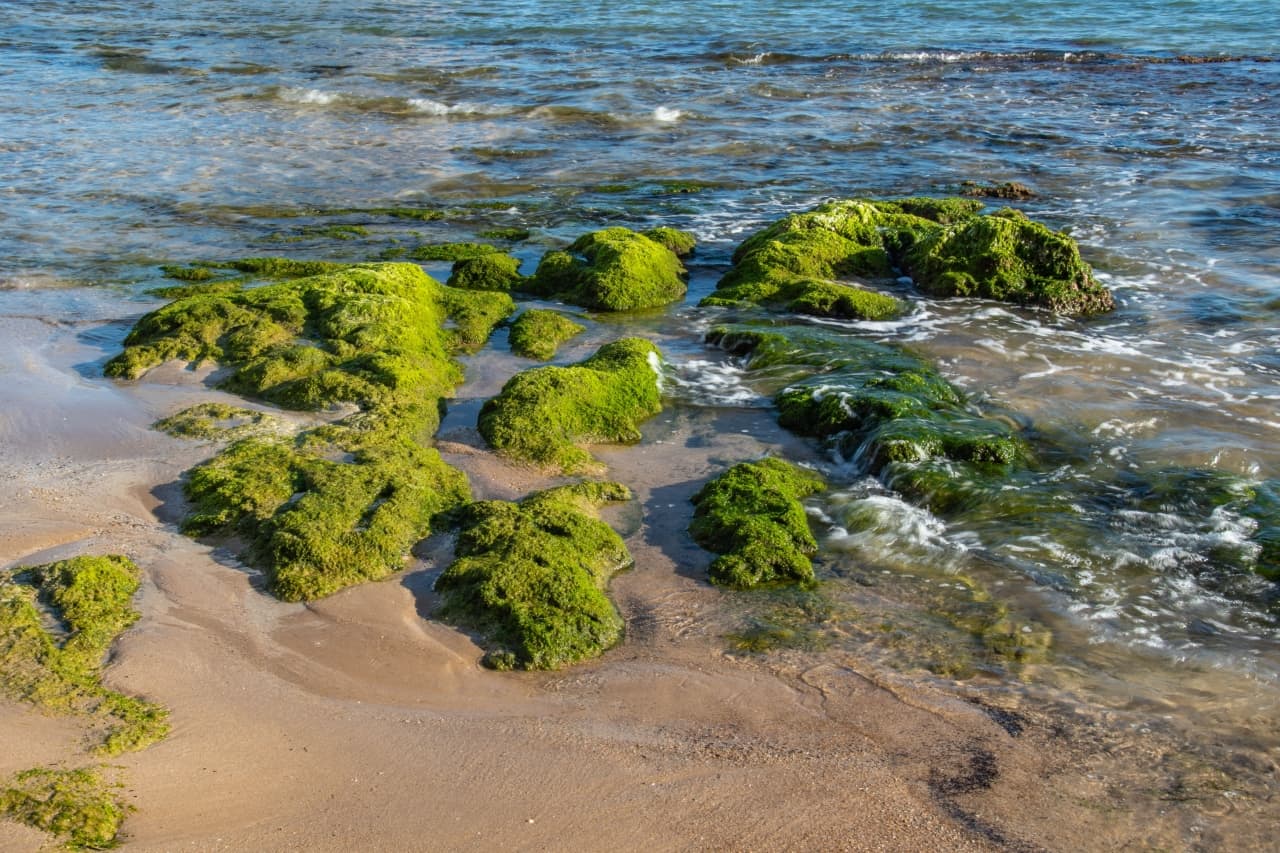
Both models have their own advantages and disadvantages. Taihu Lake’s advantage lies in its fast implementation speed, but the channels for the participation of stakeholders are limited; while Lake Erie’s advantage is in its inclusive participation, but the policy implementation is often lagging behind. Technical tools - such as early warning systems, ecological compensation, and monitoring agreements - are easier to be promoted across different systems. However, mechanisms like the River Chief System, which relies on China’s cadre assessment system, or TMDL (Total Maximum Daily Load), which is based on the tradition of American citizen lawsuits, are difficult to be directly replicated.
Education
Scientific conclusions should not remain confined to academic papers. Data on Lake Taihu over the past two decades, if kept only in government reports and scholarly journals, would be inaccessible to the general public and especially unavailable to primary and secondary school students. Yet, the ability to understand environmental change must begin with education at the student level. The Taihu Basin hosts numerous schools offering science, geography, and integrated practical courses. Science museums and cultural centers around the lake attract large numbers of visitors each year, yet few exhibitions effectively incorporate real-time data or long-term monitoring records. This website represents an effort to integrate data visualization, time sliders, policy summaries, and field sampling into a foundational resource package directly usable in classrooms and exhibition settings.
Within this framework, I plan to accomplish two main tasks:
First, create a set of downloadable PowerPoint presentations. These will cover the basics of cyanobacteria: what they are, why they become a problem, how they harm the ecosystem and human health, and what measures have been taken to control blooms in Lake Taihu. It also includes the 2007 water crisis as a case study, recent water quality recovery data, and actionable steps for the public. Designed for teachers and science educators, this PPT can be downloaded and used directly in classroom instruction or museum exhibits—eliminating the need to start from scratch when searching for data or creating visualizations.
Second, offer supplementary modules for schools with suitable conditions: schools located near the Lake Taihu shoreline may organize field trips in spring or autumn for students to conduct on-site observations, collect water samples, and perform simple water quality tests (such as measuring transparency, pH, and dissolved oxygen). Students can then bring their collected data back to class and compare it with historical data available on the website, discussing whether their measurements align with trends observed in satellite images. This activity relies on school-led organization, while the website provides supporting guidance, methodological tools, and data comparison resources.
Third, I produced a 20-minute documentary titled “The Taihu Wounds and Rebirth.” It explores the ecological crisis of Lake Taihu through on-site footage and interviews with local residents, who share their memories of the 2007 water crisis and their observations of the lake’s recovery. The documentary also features an interview with Professor Hans Paerl from the University of North Carolina at Chapel Hill, a leading expert on cyanobacterial blooms, who provides scientific perspective on the causes of eutrophication and the long-term challenges of restoration. The documentary is available for viewing here and can be used as a visual storytelling resource for classroom viewing, museum screenings, and public outreach events.
In the future, if formal collaborations with science museums in Suzhou or Wuxi can be established, the website could be embedded into interactive terminals at the exhibitions, the PPTs used during public science lectures, and the documentary screened in education spaces—gradually building a chain that integrates “online data, offline courses, documentary storytelling, and on-site exhibitions.”
Conclusion
Over the past two decades, Lake Taihu has undergone a remarkable transformation—from the crisis of 2007 to the steady recovery seen in recent years. Satellite imagery shows a clear decline in bloom extent, water quality data confirms sustained improvement, and governance mechanisms have evolved to address both nutrient loading and cross-regional coordination. Yet recovery is not the same as restoration. The lake’s ecosystem remains fragile: submerged vegetation has degraded, biodiversity gains are uneven, and the risk of large-scale blooms persists under extreme weather.

For me, this project has been a way of connecting science to place. Lake Taihu is not just a body of water on a map—it is where you and I grew up. This website is my attempt to make its story visible, its recovery legible, and its future worth caring about.